Uncovering the truth behind popular gambling myths
Uncovering the truth behind popular gambling myths
The Origins of Gambling Myths
The realm of gambling has been steeped in mystique and misunderstanding throughout history. Many of the myths that persist today can be traced back to superstitions and cultural narratives that have developed over centuries. For example, the notion that certain rituals or lucky charms can influence the outcome of games is rooted in ancient beliefs that luck is a tangible force. This perpetuation of myths often leads gamblers to make irrational decisions based on anecdotal evidence rather than facts. To enhance your understanding, exploring reliable sources like this betting sites uk list can provide valuable insights.
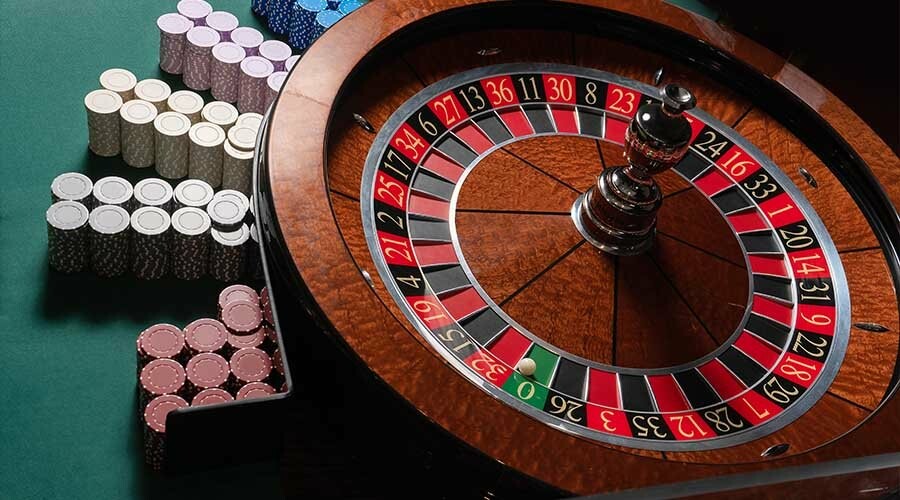
As gambling evolved from informal street games to sophisticated casino operations, these myths became more ingrained. The rise of gambling in the modern age has only compounded the myths, as people seek explanations for their wins and losses in games governed by chance. The allure of a «winning strategy» gives rise to false confidence, leading to further misconceptions about the nature of probability and risk in gambling.
Additionally, the portrayal of gambling in popular culture, such as films and literature, often emphasizes dramatic narratives that reinforce these myths. Characters are frequently depicted as having some secret insight into winning games, perpetuating the belief that gambling success can be achieved through techniques rather than statistical probability. Understanding the origins of these myths is crucial to debunking them and fostering a more informed approach to gambling.
Common Misconceptions about Odds
One prevalent myth is that certain games or bets have better odds than others, which can lead players to make misguided choices. For instance, many people believe that playing slots or roulette offers better chances of winning than poker. In reality, games like poker rely heavily on skill and strategy, while slots and roulette are entirely based on chance. The misconception arises from a lack of understanding of how odds are calculated and what they represent in different gambling contexts.
Many players fail to recognize that house edge plays a significant role in determining the odds of winning. The house edge is the built-in advantage that casinos have over players, ensuring that, over time, the casino makes a profit. This means that even in games where a player may feel they have a good chance, the odds are still heavily weighted in favor of the house. Understanding these nuances can help gamblers make informed decisions rather than relying on myths.
Furthermore, the belief that previous outcomes can influence future results, known as the «gambler’s fallacy,» is another common misconception. For example, if a roulette wheel lands on red multiple times in a row, some players might believe that black is «due» to come up next. In reality, each spin of the wheel is an independent event, and previous results have no bearing on future outcomes. This misunderstanding can lead to poor betting strategies and significant losses.
The Role of Luck and Skill in Gambling
One of the most debated topics in gambling is the balance between luck and skill. Many believe that success in gambling is purely a matter of luck, while others argue that strategic thinking and skill play a significant role, especially in games like poker. This myth can create a divide among gamblers, with some relying solely on luck and ignoring the potential benefits of developing their skills.
In games of chance, such as slots or roulette, luck undeniably plays a crucial role. However, even in these games, understanding the rules and having a sound strategy can enhance the gaming experience. In contrast, games like blackjack and poker require a significant level of skill, where understanding the odds, bluffing techniques, and emotional control can greatly influence the outcome. Misinterpreting the impact of skill can deter players from investing time in developing their abilities.
Additionally, the idea that luck can be manipulated through rituals or superstitions is a pervasive myth that often leads players astray. While it’s fun to indulge in good luck charms, they have no real impact on the odds. Acknowledging the difference between luck and skill can empower gamblers, helping them approach games with a more realistic mindset and increasing their chances of long-term enjoyment and success.
The Illusion of Control in Gambling
The myth of control in gambling is another pervasive belief that can lead players into trouble. Many gamblers think they can influence the outcome of games through specific actions or decisions, especially in games perceived as skill-based. This illusion of control can result in chasing losses or making reckless bets, often leading to disastrous financial consequences.
Moreover, the belief that one can «feel» when it is the right time to bet or when to hold back is fueled by emotional responses rather than rational decision-making. In games like poker, where bluffing and psychological tactics can create a false sense of control, players may mistakenly believe they can predict outcomes based on their emotional state. This misconception can lead to impulsive decisions and gambling addiction, as players continuously seek that “perfect moment” to win.
Understanding that the outcome of most gambling activities is fundamentally random can help mitigate the harmful effects of this myth. Recognizing the randomness inherent in these games allows players to adopt a healthier mindset, emphasizing responsible gambling practices and setting limits to maintain a balanced approach. Awareness is the first step in combating the illusion of control that so many gamblers fall prey to.

Choosing Reliable Gambling Resources
In the digital age, the abundance of information about gambling can be overwhelming, leading players to often fall for myths propagated by unreliable sources. It is essential for gamblers to seek reputable resources that provide accurate, evidence-based insights into games, odds, and responsible gambling practices. Websites that focus on education rather than sensationalism can help dispel myths and promote a more informed understanding of gambling.
Gamblers should be cautious about the information they consume, as misinformation can lead to poor decisions that have financial and emotional repercussions. Resources that offer expert reviews and comparisons can guide players toward better gambling experiences by highlighting the importance of transparency and regulation in the industry. By prioritizing reputable sources, players can elevate their understanding and enjoyment of gambling.
Furthermore, gambling should be approached with the mindset of entertainment rather than a guaranteed way to make money. Responsible gambling resources emphasize the importance of enjoying the experience rather than focusing solely on winning. This balanced approach helps mitigate the risks associated with gambling while fostering a healthy relationship with the activity.
No hay comentarios